Archives: June 2026
Cutting Through the Weight Loss Hype
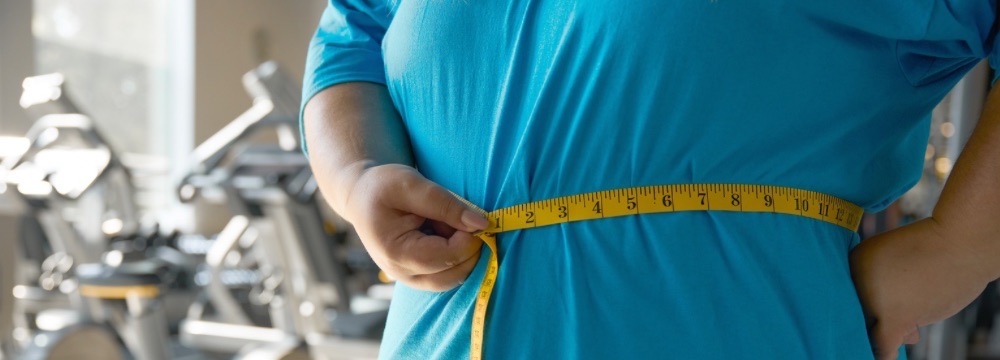
The weight loss solution that works depends on your health history and lifestyle preferences. While some find success with non-surgical programs, others will gain the most benefit from a surgical procedure. So, how do you choose?
Updated for 2026
Most diet and exercise programs fail to deliver long-term results on their own, even if a lot of weight is lost in the short term. 5 or 10 years out, you might be back at square one.
When prospective patients start their bariatric surgery research, it can get confusing…fast.
We also know that living with excess weight, especially morbid obesity, is not sustainable and is the fast track toward many serious follow-on diseases. So, how do we figure out what works and what doesn’t, and, most importantly, the best option for your particular circumstance?
Non-Surgical Versus Surgical Weight Loss
One of the first decisions we have to make revolves around the mechanism for losing weight.
Non-surgical weight loss, in the form of physician-supervised weight loss programs or weight loss medication, has some proven effectiveness. With behavioral interventions alone, patients can see between 5% and 10% reduction in weight, and with medications like GLP-1 Receptor Agonists (GLP-1 RAs), some will see weight loss of 8% to 21%1 – but only as long as they continue the program. This is where non-surgical weight loss often fails: only a small number of people are able to maintain their weight after they discontinue it.
Does this mean that surgical weight loss is the appropriate course of action for everyone with excess weight? No, not at all. There are well-established guidelines for patients to qualify for weight loss surgery. Having a BMI of 30 or over with one or more diseases associated with morbid obesity (or failed GLP-1 therapy), or a BMI of 35 or over regardless of diseases associated with morbid obesity, may qualify an individual based on new ASMBS and IFSO guidelines, though insurance coverage may vary. Even more importantly, the patient has to be a suitable candidate for surgery. There are anesthesia-related and other risks inherent in major abdominal surgery. The benefits of surgery must outweigh these risks.
With that being said, weight loss surgery is currently the only proven long-term solution to morbid obesity. Approximately 70% of all patients who undergo weight-loss surgery will maintain their weight loss over the course of 10 or more years.2 Modern surgical techniques have also made bariatric surgery safer than ever, with risks similar to those of a simple gallbladder removal.
Are All Bariatric Surgeries the Same? Which Is Best?
If you have decided that weight loss surgery may be right for you, the decision becomes even tougher – which bariatric procedure is best?
Luckily, you will have the team here at MASJax to help you with that decision, but you’re the one who ultimately makes it, and it is a tough one nonetheless. Depending on a patient’s specific medical needs, one procedure may be better suited than another. For example, gastric bypass is usually most beneficial for those suffering from poorly controlled diabetes or severe acid reflux. In fact, the gastric sleeve can cause acid reflux or worsen existing reflux. However, both the bypass and sleeve are very effective for long-term weight loss as well as improving or eliminating many of the diseases associated with excess weight and obesity.
There are two popular procedures that we rarely, if ever, recommend. First is the Lap-Band, or adjustable gastric band. This is a band that wraps around the upper portion of the stomach and makes the patient feel full with less food. While it was a very popular procedure a couple decades ago, and is the only procedure that is fully reversible and adjustable, the long-term complications are simply too great for us to look past, and we no longer recommend the band. In fact, many of the revisional bariatric procedures we perform today involve removing the gastric band and converting it to a stapled procedure such as gastric bypass or gastric sleeve.
The other procedure that we do not recommend is the nonsurgical gastric balloon. During this procedure, an inflatable balloon is inserted into the stomach using endoscopy – a non-surgical technique that threads a specially made tube down the esophagus to place the balloon. The balloon is then filled with saline, occupying space in the stomach and making the patient feel full. The balloon is left in the stomach for 6 months, and the patient undergoes a concurrent 1-year medical weight-loss program supervised by their bariatric surgeon or gastroenterologist. At the end of six months, the balloon is removed.
Not only is the balloon option less effective than surgery, since it does not remain in the stomach permanently, but most insurance plans do not cover it, meaning patients pay a significant amount out of pocket. If they later regain weight, they have to have yet another balloon placed in their stomach, once again paid for out of pocket.
A Note on Going Overseas for Bariatric Surgery
There are many enticing advertisements for bariatric surgeries performed in other countries at a fraction of the price. While many patients choose to take this path, there are some significant potential drawbacks.
Surgeons, clinical staff, and facilities overseas may not be held to the same standards as those in the United States. If complications should occur, many surgeons in the United States will not touch a procedure performed overseas. There are many unknowns about how the surgery was performed, and, more often than not, patients will have to return to their original surgeon to address non-emergency complications.
The Bottom Line
Ultimately, the decision to have bariatric surgery is a life-changing one and should be treated with the importance and seriousness that it deserves. When considering bariatric surgery, we always suggest that our patients keep an open mind and discuss their options with former patients, surgeons, and others with experience in the procedure they wish to undergo.
While cost is always a consideration, it should not be the driving factor for choosing a surgeon or facility. Finding surgeons who specialize in bariatric surgery and have performed hundreds, if not thousands, of the procedure you wish to undergo is one of the keys to a safer, more effective procedure with fewer complications.
We find that many of our patients benefit from attending one of our post-operative support groups, even before they decide that bariatric surgery is right for them. Attending a support group can help shed light on procedure options as well as having access to insight directly from patients who have experienced a wide range of physical and emotional ups and downs associated with bariatric surgery.
Located in Jacksonville, Florida, MASJax provides advanced bariatric and general surgery using minimally invasive and robotic techniques. Dr. Husain Abbas, Dr. Alex Crean, and Dr. Schlussel offer expert care for weight loss, metabolic disorders, colorectal conditions, GERD, gallbladder disease, and hernias, backed by more than 80 years of combined surgical experience.
- Ahmad, N., Alruwayyes, A., Alarjani, A., Tawhari, A., Aldosri, A., Alahmari, A., & Balaha, M. (2026). GLP-1 receptor agonists for weight loss: A systematic review and meta-analysis of randomized controlled trials. Medicine, 105(11), e47994. https://doi.org/10.1097/MD.0000000000047994.
- Gulinac, M., Miteva, D. G., Peshevska-Sekulovska, M., Novakov, I. P., Antovic, S., Peruhova, M., Snegarova, V., Kabakchieva, P., Assyov, Y., Vasilev, G., Sekulovski, M., Lazova, S., Tomov, L., & Velikova, T. (2023). Long-term effectiveness, outcomes and complications of bariatric surgery. World journal of clinical cases, 11(19), 4504–4512. https://doi.org/10.12998/wjcc.v11.i19.4504.
Common Anal Health Questions Patients Are Afraid to Ask

Your anal health is just as important as the health of every other part of your anatomy. Most people shy away from asking questions, and we’re here to encourage the conversation.
Most people are not eager to bring up anal health at a check-up. At the same time, we know our patients have questions, curiosities, and legitimate concerns, but avoid asking because they feel embarrassed, worried about being judged, or maybe just assume their symptoms are “normal.”
The anus and rectum are just as important as any other part of the digestive system, and paying attention to changes can prevent discomfort and, in some cases, identify serious conditions early. Asking about that part of your anatomy is nothing to be ashamed of.
Here are some of the most common anal health questions patients hesitate to ask – and the medically accurate answers they deserve.
Is It Normal to See Blood After a Bowel Movement?
Finding bright red blood on toilet paper or in the toilet can be alarming, but it doesn’t automatically mean something serious is wrong. While the cause is often something relatively minor, such as hemorrhoids or a small anal fissure (a tear in the lining of the anus), bleeding should never be ignored.
Other conditions, including inflammatory bowel disease, colorectal polyps, infections, and colorectal cancer, can also cause rectal bleeding.
Bright red blood usually comes from the lower part of the digestive tract. Dark, tarry stools or maroon-colored blood may indicate bleeding higher in the digestive tract and require prompt medical evaluation. Persistent bleeding, large amounts of blood, dizziness, unexplained weight loss, changes in bowel habits, or a family history of colorectal cancer all warrant a conversation with a doctor, or possibly a trip to the ER.
Even if hemorrhoids seem like the obvious explanation, it’s important to have recurring rectal bleeding assessed by a healthcare professional rather than assuming the cause.
Why Does It Hurt to Poop?
Pain during bowel movements is not something you should learn to live with. One of the most common causes is an anal fissure, which can cause sharp or burning pain during and after passing stool. Sometimes people describe the pain as passing broken glass, and it can continue for minutes or hours afterward.
Pain can also stem from hemorrhoids, muscle spasms, inflammatory bowel disease, infections, anal abscesses, or tumors. (Tumors aren’t as common, but they do happen.) Hard stools are a frequent trigger, but tears in the anal tissue can also occur after childbirth or anal intercourse, especially if there was insufficient lubrication or the tissue wasn’t fully relaxed.
Treatment depends on the underlying cause, but can range from increasing dietary fiber and drinking enough fluids to using stool softeners when appropriate or warm sitz baths. It’s also a good idea to avoid prolonged straining. For a more serious condition, additional evaluation may be necessary.
If severe pain lasts for days, keeps returning, or is accompanied by fever, swelling, or drainage, seek medical evaluation.
Are Hemorrhoids Dangerous?
Hemorrhoids are swollen veins in or around the anus and are extremely common. They can cause itching, swelling, discomfort, bleeding, and sometimes prolapse, where internal hemorrhoids protrude outside the anus.
Although hemorrhoids are not considered dangerous, they can throw a wrench in a person’s quality of life. Most of the time, symptoms improve with lifestyle changes, including eating more fiber, staying hydrated, exercising regularly, avoiding becoming constipated, and limiting the amount of time spent sitting on the toilet.
Large, painful, or persistently bleeding hemorrhoids may require office-based procedures or surgery if symptoms persist despite home treatment. Also worth noting is that not every lump or episode of bleeding is a hemorrhoid, which is why it’s recommended to get it checked out anyway.
Is Anal Itching Something to Worry About?
Occasional itching is common and nothing to worry about. It’s skin, and it will itch. But persistent anal itching – known medically as pruritus ani – can have many different causes.
Skin irritation from excessive cleaning, scented soaps, moisture, sweat, chronic diarrhea, hemorrhoids, eczema, fungal infections, or pinworm infection are common reasons for the anus to itch more than usual. It happens less often, but sexually transmitted infections such as herpes or HPV-related lesions can also cause itching or irritation.
When something itches, it’s a natural instinct to scratch it. But scratching the area too aggressively can damage the skin and surrounding sensitive tissues, making it worse. Splashing with water, keeping the area dry, wearing breathable cotton underwear, and avoiding scented or harsh products are much better solutions than vigorous scrubbing.
If itching lasts for several weeks or is accompanied by pain, bleeding, discharge, or a rash, talk to your doctor to determine the underlying cause.
Is It Normal to Have a Lump Near the Anus?
That depends. First, not every lump is a hemorrhoid. Anal lumps can result from skin tags, thrombosed external hemorrhoids, cysts, abscesses, warts caused by human papillomavirus (HPV), or, less commonly, cancer.
A painful lump that develops suddenly could be a thrombosed hemorrhoid or an abscess. Painless growths can have a lot of different causes, and because so many conditions look similar, it’s impossible to diagnose a lump based on appearance alone.
Early evaluation is a must if the lump is associated with fever, severe pain, drainage, or unexplained bleeding. Even if it’s painless, when in doubt, check it out.
Can Constipation Really Damage the Anus?
Yes. Chronic constipation and repeated straining put a lot of stress on the anal canal. Passing hard stools can lead to fissures, worsen hemorrhoids, and contribute to pelvic floor dysfunction over time. And not going “number two” for too long can start to create an impaction, which is a medical emergency.
Prevention is easy enough: eat plenty of fiber from fruits, vegetables, legumes, and whole grains, drink adequate fluids, stay physically active, and avoid ignoring the urge to have a bowel movement.
Sometimes a stool softener can be helpful, but if constipation persists despite lifestyle measures, go get real medical advice, identify underlying causes, and discuss appropriate treatment options.
Does My Doctor Need to Know if I Have Anal Sex?
As long as it aligns with the reason for your visit. Healthcare providers will sometimes ask about sexual practices for medical reasons, not to judge you. Knowing whether you have receptive anal intercourse can help guide the evaluation of pain, bleeding, discharge, or other symptoms and determine whether additional testing for sexually transmitted infections (STIs) is appropriate.
Anyone who engages in anal sex, regardless of sexual orientation or gender identity, can develop fissures, hemorrhoids, or minor tissue trauma. Using plenty of lubricant, communicating between partners, avoiding excessive force, and stopping when it hurts will reduce the risk of damaging the tissues in and around the anus.
Being honest about your sexual history helps your provider determine the most accurate diagnosis and treatment.
Is Anal Pain Ever an Emergency?
Most anal pain is uncomfortable rather than dangerous or life-threatening, but there are some situations that require urgent medical attention. Severe or worsening pain accompanied by fever, severe abdominal pain, swelling or rapidly worsening swelling, redness, pus draining from the anus, heavy rectal bleeding, black or tarry stools, or fainting require immediate medical attention.
Ignoring severe symptoms out of embarrassment can delay treatment and that will increase the risk of complications.
Should I Worry About HPV or Anal Cancer?
Human papillomavirus (HPV) is very common and can cause anal warts as well as increase the risk of anal cancer. Although anal cancer is relatively uncommon, the risk is higher among people with persistent HPV infection, people living with HIV, men who have sex with men, and individuals with weakened immune systems.
Depending on your medical history and individual risk factors, your healthcare provider may recommend the HPV vaccine and/or additional screening.
How Can I Keep My Anal Area Healthy?
Good anal hygiene is simple. Eat enough dietary fiber, stay hydrated, exercise regularly, avoid prolonged straining during bowel movements, limit “toilet reading,” clean with water and unscented products, engage in healthy sexual practices, and avoid excessive scrubbing and harsh washes.
Anal health isn’t a topic most people enjoy discussing. On the flip side, not talking allows treatable conditions to become more serious, so don’t ignore persistent symptoms. Bleeding, pain, lumps, changes in bowel habits, or a persistent itch need to be properly evaluated. It isn’t time to be shy or to self-diagnose with online tutorials or social media.
Embarrassment should never stand between you and your health, and everyone deserves respectful, compassionate healthcare. What feels like an awkward conversation today might just prevent a much bigger problem tomorrow. Your doctor will ask questions about bowel habits, hygiene, medications, and sexual practices because those details guide diagnosis and treatment, not because they’re making assumptions about you.Healthcare providers are rarely shocked and discuss a myriad of concerns daily. When in doubt or if something doesn’t feel right, we want you to ask!
MASJax is a surgical leader in Jacksonville, Florida, with over 80 years of combined surgical experience among Dr. Husain Abbas, Dr. Alex Crean, and Dr. Schlussel. Our team of specialists provides the latest minimally invasive and robotically assisted procedures, from gastric bypass and sleeve gastrectomy for weight loss and metabolic disorders to colorectal, GERD, gallbladder, and hernia surgeries.