Archives: May 2026
What To Eat and What to Avoid for Optimal Gut Health
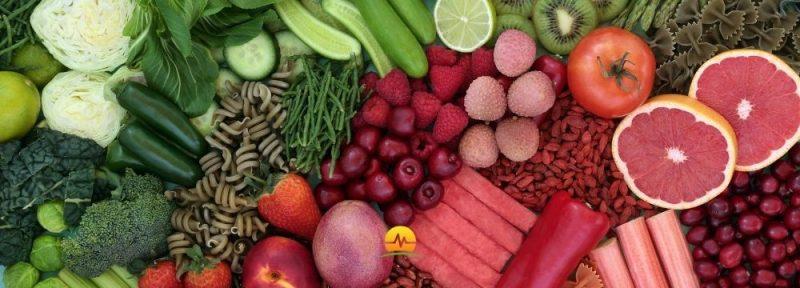
Eating a healthy diet is necessary for weight loss, especially after bariatric surgery. But it’s also essential for a healthy gut and to reduce the risk of various diseases, including colorectal cancer.
Updated for 2026
Most Americans are concerned about their health to varying degrees. And while there are certain diseases that rightly get plenty of attention, others, including those of the colon, don’t get nearly as much press as they deserve.
In fact, colon cancer is a leading killer of men and women in the United States, but it also represents one of the most preventable and treatable cancers.1
Unfortunately, many patients do not prioritize their colon health the way they should. Cancer is not the only concern when it comes to colon health. Several conditions that affect the colon can be disruptive, or in some cases, even life-threatening if left untreated. While gut health is often a sign of general health, there are certain foods we can eat and others to avoid to keep our guts as healthy as possible, even in our later years.
Fiber
One of the most important factors in colon health is fiber. It seems trivial, but fiber not only keeps us regular but also does wonders for clearing bulk from the colon. Most Americans are deficient in their fiber consumption and may suffer as a result.
Fiber is critical for preventing issues such as diverticulitis and hemorrhoids, among others. For those who don’t get enough fiber from their diet, a fiber supplement is a great way to help. Also, remember that fiber doesn’t have to taste like cardboard! Popcorn, raspberries, and avocados are just a few of the delicious and healthy options available to you.
Hydration
While fiber consumption is important, drinking plenty of water goes hand-in-hand. In fact, a dehydrated body results in a colon that doesn’t empty properly. The colon soaks up water to create our feces, and proper hydration is critical to avoiding constipation, which can lead to a host of colorectal issues. Bariatric surgery patients should place particular emphasis on their hydration status and follow recommended guidelines from our practice. Remember, the old guidance of 64 fluid ounces a day may not be enough. Depending on your body type and your activity level, you may need significantly more.
The Microbiome
A healthy gut microbiome supports digestion, nutrient absorption, immune system strengthening, and even affects mood. Trillions of beneficial bacteria living in the gut represent an entire ecosystem and work best when they’re well nourished. A healthy gut thrives on a variety of fiber-rich foods, including fruits, vegetables, whole grains, legumes, nuts, and seeds, along with fermented foods like yogurt, kefir, kimchi, and sauerkraut. Limiting ultra-processed foods, staying hydrated, managing stress, getting regular exercise, and prioritizing sleep hygiene also help keep the gut microbiome balanced and healthy.
The Bad
Just as there are plenty of foods and drinks we should consume, there are lots of things to stay away from as well. It goes without saying that refined sugars, like table sugar, cakes, and foods high in saturated or trans fats, should be avoided. They do not contribute to our overall health.
Less well known, however, is that artificial sweeteners can trick the brain into craving more sugar. Also, be careful with antibiotics, as overuse can destroy the good bacteria in the gut. Even long-term proton pump inhibitor (PPI) use for chronic acid reflux or GERD can wreak havoc on the gastrointestinal system. Researchers are also looking at how gut health is linked to colorectal cancer.
So, what’s the answer? Ultimately, a well-balanced diet full of whole grains, fresh fruits and vegetables, lean meats, and legumes is the best way to maintain both your gut health and your general overall health.
Of course, you should always speak to your doctor before changing your diet significantly, especially if you have undergone bariatric surgery. If you are experiencing colorectal issues, we encourage you to contact our practice and speak to Dr. Crean or Dr. Schlussel to understand your options.
- American Cancer Society. (2026, January 14). Key Statistics for Colorectal Cancer. Www.cancer.org; American Cancer Society. https://www.cancer.org/cancer/types/colon-rectal-cancer/about/key-statistics.html.
Related Topics:
Gut Check: Dysbiosis and Colorectal Cancer

Your gut is an ecosystem, not just a digestive tube. And according to researchers, all of the microbes that live inside of it might just be influencing your risk of colorectal cancer.
Multiple overlapping influences may be shaping long-term colorectal cancer risk in ways we are only beginning to understand.
One area of focus is the gut microbiome – the community of bacteria and other microorganisms that live in the digestive tract. In parallel with rising colorectal cancer rates, scientists have identified biological signals suggesting that changes in gut microbial composition and activity may be linked to cancer development pathways, like inflammation, immune system signaling, and DNA damage processes that can occur years before a tumor is detected.1
Lifestyle patterns, metabolic health, and exposures that accumulate over time are factors that also shape the gut microbiome itself, creating a biological overlap between diet, inflammation, and intestinal health. All of that rolls over into risk assessment for colorectal cancer. This does not mean gut bacteria directly “cause” cancer. Instead, it suggests that long-term changes in the gut environment may influence the conditions in which cancer is more or less likely to develop.
Your Gut Microbiome
The microbes living in your intestines directly interact with the lining of the colon, engage with food processing, and produce a wide range of chemical byproducts. Some of these compounds support gut health, while others may contribute to inflammation or cellular stress depending on the overall balance of the system. Researchers believe it is the overall balance of the microbial community, not the presence of a single bacterium, that matters most.2
In a healthy state, the intestinal ecosystem is stable and supports the integrity of the intestinal lining, helps regulate local immune activity, and contributes to the breakdown of dietary components that would otherwise pass through undigested. One of the most important roles of gut bacteria is the fermentation of dietary fiber, which produces metabolites that are thought to support colon cell health and help regulate inflammation responses.
When we introduce things like poor diet, medications (especially antibiotics), environmental toxins, and other adverse exposures, the composition and activity of gut microbes will shift. Disruption of a healthy balance is referred to as dysbiosis, a state in which beneficial microbes are reduced and other species become more dominant.
Genetic and molecular studies of colorectal tumors have identified patterns of DNA damage that may be linked to microbial compounds produced in the gut.3 In other words, when harmful bacteria outnumber beneficial ones, they begin to produce toxins and other compounds that can damage the DNA of colon cells, potentially contributing to colorectal cancer development. These findings have led researchers to explore how imbalances in gut bacteria (dysbiosis) might influence inflammation, immune activity, and long-term changes in colon cells.
In a state of dysbiosis, the gut environment can become more biologically reactive with increased inflammatory signaling, changes in how the immune system responds to local stimuli, and alterations in the chemical byproducts produced by gut microbes. That puts more stress on the cells lining the colon and creates conditions conducive to abnormal cellular changes that can lead to cancer.
Dysbiosis doesn’t directly “cause” colorectal cancer. But it’s being studied, alongside genetics and lifestyle-related exposures, for its influence on the biological environment in which cancer develops.
Maintaining a Healthy Microbiome
Your gut microbiome is a living ecosystem that changes throughout life. It responds to its environment over time. Researchers increasingly believe that keeping this ecosystem healthy may help reduce some of the biological conditions associated with colorectal cancer, though it is only one piece of a much larger picture.
Although there is no single food, supplement, or probiotic proven to prevent colorectal cancer, cumulative daily habits will influence the composition of gut microbes. Diets rich in fiber, fruits, vegetables, legumes, and whole grains encourage the growth of beneficial bacteria. In contrast, diets high in ultra-processed foods and low in fiber have been associated with changes in the microbiome that may contribute to dysbiosis and chronic inflammation.4
Excess body mass is also an important part of the equation when it comes to cancer development. Obesity is associated with chronic, low-grade inflammation, metabolic dysfunction, and changes in the gut microbiome that steer toward a more favorable environment for colorectal cancer development. Sustainable weight loss through lifestyle changes, medical weight management, or bariatric surgery can improve metabolic health and promote a healthier intestinal environment.
Other lifestyle habits, like regular exercise, positively impact metabolic health, and antibiotics should be used only when absolutely necessary — they can temporarily disrupt the balance of beneficial bacteria. While the microbiome is resilient, repeated or prolonged disruptions have lasting effects on its composition.
Gut health is only one part of colorectal cancer prevention. Colorectal cancer develops through a combination of genetic, environmental, and metabolic factors that accumulate over many years. Supporting your gut health through healthy lifestyle choices is one way to improve the biological environment of the colon, and staying up to date with colorectal cancer screening is the most effective way to detect precancerous changes and cancer early, when treatment is most successful.
If you’re living with obesity or have questions about your colorectal cancer risk, the team at MASJax Bariatric & General Surgery can help. We’re here to support your health, now and into the future.
- Díaz-Gay, M., Santos, dos, Moody, S., Kazachkova, M., Abbasi, A., Steele, C. D., Vangara, R., Senkin, S., Wang, J., Fitzgerald, S., Bergstrom, E. N., Khandekar, A., Otlu, B., Abedi-Ardekani, B., Carolina, A., Cattiaux, T., Cortez, R., Gaborieau, V., Chopard, P., & Carreira, C. (2025). Geographic and age variations in mutational processes in colorectal cancer. Nature, 643, 230–240. https://doi.org/10.1038/s41586-025-09025-8.
- Kim, J., & Lee, H. K. (2022). Potential Role of the Gut Microbiome In Colorectal Cancer Progression. Frontiers in immunology, 12, 807648. https://doi.org/10.3389/fimmu.2021.807648.
- Díaz-Gay, M., Santos, dos, Moody, S., Kazachkova, M., Abbasi, A., Steele, C. D., Vangara, R., Senkin, S., Wang, J., Fitzgerald, S., Bergstrom, E. N., Khandekar, A., Otlu, B., Abedi-Ardekani, B., Carolina, A., Cattiaux, T., Cortez, R., Gaborieau, V., Chopard, P., & Carreira, C. (2025). Geographic and age variations in mutational processes in colorectal cancer. Nature, 643, 230–240. https://doi.org/10.1038/s41586-025-09025-8.
- Kim, J., & Lee, H. K. (2022). Potential Role of the Gut Microbiome In Colorectal Cancer Progression. Frontiers in immunology, 12, 807648. https://doi.org/10.3389/fimmu.2021.807648.