Share
Share

If you’ve visited a surgeon for any number of conditions, and your BMI is in the morbidly obese range (40+), you may have been told that a surgical procedure is not advisable or possible. This is a common concern in patients with obesity. While any surgery carries heightened risks, we will focus on hernias, as they are a common concern that many patients experience alongside excess weight issues.
Why Do Hernias Form as a Result of Excess Weight?
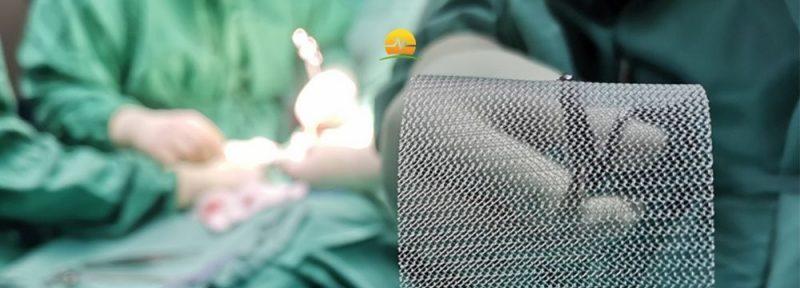
Hernias are defects in the strong fascia, a strong protective sheet of tissue that stabilizes and encloses abdominal organs and musculature. Abdominal hernias typically start as small holes and gradually increase in size over time. Unlike other tissues, the body cannot repair a defect in this fascia; therefore, surgery is the only option to correct it.
Hernias are typically treated when they become symptomatic – i.e., when they start to cause pain or a bulge in the abdomen or groin that interferes with the patient’s lifestyle. Asymptomatic hernias are usually left alone, unless they pose a significant threat, for example, a femoral hernia, which is often found in women, and may be visible as a lump in the upper thigh.
Fortunately, the very worst complications of a hernia, known as incarceration and strangulation, which are emergency issues, only happen in about 1-2% of inguinal (groin) hernia cases, the most common form of hernia. However, this can be higher for specific patients and types of hernia (like the femoral kind mentioned above). Furthermore, the risk of complications from hernia surgery in an emergent situation are significantly higher than those of an elective hernia surgery.
Your BMI Makes a Difference
A BMI of 40 and over is indicative of morbid obesity. This is a situation in which most patients have decidedly adverse effects associated with their excess weight: type-2 diabetes, high cholesterol, high blood pressure, sleep apnea, acid reflux, and more; sometimes, these comorbidities start stacking on each other, complicating matters. From a surgical safety standpoint, our biggest concern involves risk – specifically the cardiovascular and pulmonary risks associated with surgery and anesthesia, as well as the postoperative risks of infection, poor wound healing, and ultimately, the risk of hernia recurrence due to pressure on the defect area.
Do You Repair a Hernia During a Bariatric Procedure?
The short answer is that it depends. If we find a hernia incidentally during a bariatric procedure, we may or may not repair it. If the hernia is very small and can be easily repaired with sutures, we may perform the repair. For hernias that contain a significant amount of intestinal tissue, repair may also be indicated. However, most hernias will be left alone, to be repaired 6 or 9 months later when the patient has lost enough weight to make the hernia procedure safer and ultimately more effective.
The Bottom Line
While it may seem that fixing a hernia during another abdominal procedure would be a no-brainer, it’s not quite as straightforward for patients with a relatively high BMI. Unfortunately, the potential negative issues associated with repairing a hernia with a BMI over 40 are such that these procedures will be performed separately from bariatric procedures. Ultimately, as surgeons, we strive to minimize the risk of potential complications and ensure that each of our procedures is as safe and effective as possible.
A notable exception is a hiatal hernia, but this is not found within the abdomen. Instead, this occurs when the hiatus or void in the diaphragm that allows the esophagus through widens enough to allow the stomach to push up into the chest cavity. Hiatal hernia can be a significant cause of pre- and post-operative acid reflux. As such, we actively look for them and repair them when found, which is the case in most bariatric patients. Doing so reduces the risk of acid reflux by about half, thereby minimizing the need for revisional surgery. That said, even after repairing a hiatal hernia, there is no absolute zero risk of acid reflux; all possibilities are discussed during our consultation.
Contact the team at MASJAX Bariatric and General Surgery if you have any questions about hernias or bariatric surgery.