Share
Share

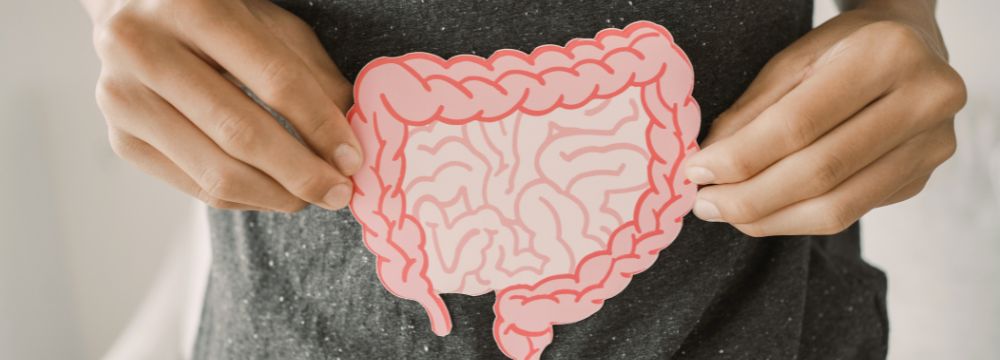
Diverticula are small pouches that can form in the lining of the colon, generally located on the bottom, left side of the abdomen (the sigmoid colon). When this area of the colon becomes inflamed or diseased, the consequences can range from mild to very serious. Understanding the disease state can go a long way toward getting appropriate treatment.
What causes diverticular disease?
Anything that compromises gut health can lead to diverticular disease, but there are a few significant risk factors every patient should be aware of.
- Hydration: A key component of colon health. Hydrating appropriately allows the colon to pull water and form bulky stool, facilitating the easy passage of waste material. A lack of hydration can cause constipation, which in turn can be problematic in the diverticulum and elsewhere in the gastrointestinal system.
- Fiber: Fiber is a critically important part of diverticular health. In this case, insoluble fiber (fiber that does not get absorbed into the bloodstream) helps form stool. Along with hydration, this allows for the smooth passage of stool [1].
- Toilet Habits: Proper toilet habits also contribute to a healthy colon. The best advice we can offer is to avoid reading while on the toilet to expedite a bathroom break, and avoid straining to ensure colonic health.
- Aging: Potential colonic and diverticular concerns are worsened with age. As with every other part of the body, the colon and diverticula become more sensitive and susceptible to disease with time. While we do not have to accept colorectal disease as an inevitable part of aging, it does mean that we have to be more careful about colon health in middle age and beyond.
The Stages of Diverticular Disease
Diverticular disease can be broadly broken down into two stages: Diverticulosis and Diverticulitis.
Diverticulosis: This is the process by which the colon becomes pitted. Think of the colon lining as a soft pillow structure. The smoothness of the colonic lining allows for stools to be formed and passed easily. However, with a lack of fiber, chronic dehydration, age, and other risk factors, the colon can develop minor imperfections (pockets) in its lining. At this stage, diverticulosis is typically painless and is often found incidentally during a routine colonoscopy. Most middle-aged and older patients will have some degree of diverticulosis, though it can be minimized and prevented with proper colon care.
Diverticulitis: is much more serious and involves an infection of the diverticula (the holes or pockets in the colon mentioned above). When fecal matter enters a diverticulum and becomes infected, the result can range from mild discomfort to severe, debilitating pain.
- Mild forms are often managed with a course of antibiotics and an improved diet. Somewhat counterintuitively, patients with active diverticulitis typically need to reduce their fiber intake temporarily to let the bowel rest.
- Moderate to severe forms can require hospitalization and intravenous antibiotics.
- Symptoms: Diverticulitis presents with very clear symptoms. Patients may experience fever, lethargy, and other systemic issues. The telltale sign, however, is distinct pain in the lower left quadrant of the abdomen.
What does surgery entail?
Colon surgery may be necessary if there is a significant risk of perforation or if the colon is diseased beyond repair. Surgery for diverticulitis involves the partial removal of the colon, removing any diseased area that could become reinfected and cause significant morbidity.
Surgery is performed minimally invasively, typically with robotic assistance. In modern colorectal surgery, most patients require 4 to 5 small abdominal incisions through which miniaturized tools are passed.
Many patients are concerned about the possibility of a colostomy bag. Fortunately, with improvements in surgical technique and technology, colostomy bags are rare and reserved only for the most serious disease presentations. For some patients, the colon can be reattached during the same surgery. For others with more severe disease, there may be a recovery period during which the patient must use a colostomy bag to allow the colon to heal. That said, in the vast majority of cases, patients make a full recovery.
The Bottom Line
Ultimately, if you are experiencing persistent pain in the lower left abdomen or are concerned about your digestive health, the most important step is simply getting evaluated. While the thought of diverticular disease—and especially the prospect of surgery—can be daunting, it is important to remember that the vast majority of cases are managed effectively with simple lifestyle changes like better hydration and increased fiber.
Even in more severe cases where surgery is necessary, modern robotic techniques allow us to resolve the issue with minimal downtime and excellent long-term outcomes. You don’t have to live with the pain or the worry; we are here to help you get back to living your life comfortably.
References & Further Reading
- Brown, J. C., et al. (2018). “Physical Activity in Stage III Colon Cancer: IMPACT Results.” Journal of Clinical Oncology. (Demonstrates the association between physical activity and improved disease-free survival in stage III colon cancer patients).
- American Society of Colon and Rectal Surgeons (ASCRS). “Diverticular Disease.” (Guidelines on fiber intake, hydration, and the management of diverticulitis vs. diverticulosis).