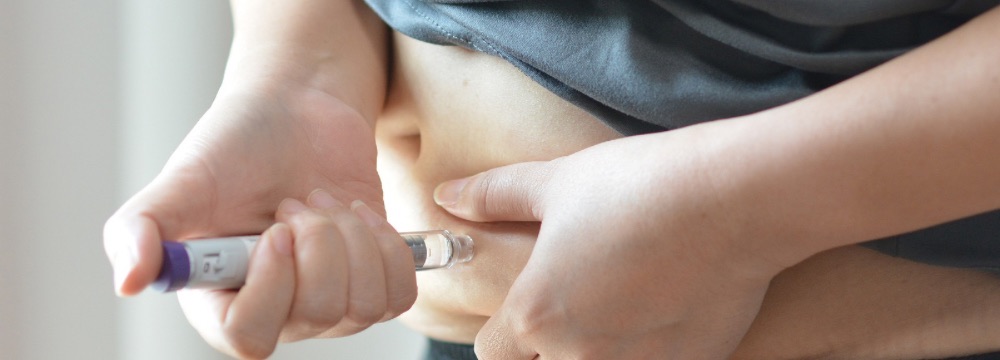
Glucagon-like peptide-1 receptor agonists (GLP-1 RAs) are prescription medications originally developed to help manage type 2 diabetes. Doctors and researchers noticed that the same medications led to significant weight loss and higher dose sister drug regimens were later approved for treating excess weight and obesity.
GLP-1 medications work by mimicking the natural GLP-1 hormone made by the body, which regulates appetite, increases feelings of fullness, slows how quickly the stomach empties, and reduces hunger signals sent to the brain. As a result, many people eat smaller portions and consume fewer calories without feeling as hungry and therefore lose weight.
Common GLP-1 receptor agonists used for weight management include semaglutide and liraglutide. Another newer medication, tirzepatide, works on both GLP-1 and glucose-dependent insulinotropic polypeptide (GIP) receptors and has also demonstrated substantial weight loss in clinical trials.1
Who Benefits From GLP-1 Medications?
In general, GLP-1 medications are appropriate for adults who have obesity (body mass index [BMI] of 30 kg/m² or higher) or who are overweight (BMI of 27 kg/m² or higher) with at least one weight-related health condition, such as type 2 diabetes, high blood pressure, obstructive sleep apnea, or high cholesterol.
GLP-1 RAs do not take the place of lifestyle modifications. With balanced nutrition, consistent exercise, adequate sleep, and behavioral support, they help patients achieve and maintain weight loss when lifestyle changes alone have not been sufficient. They can also help improve blood sugar control, blood pressure, and cholesterol levels.
Who Should Not Take GLP-1 Medications?
GLP-1 medications are not appropriate for everyone, and it’s important to have a healthcare provider carefully review your medical history before prescribing one.
These medications are not recommended for people who:
- Have a personal or family history of medullary thyroid carcinoma (MTC)
- Have multiple endocrine neoplasia syndrome type 2 (MEN2)
- Have had a serious allergic reaction to a GLP-1 medication
- Are pregnant or planning pregnancy
- Have certain gastrointestinal conditions or severe gastroparesis (delayed stomach emptying)
As with most medications, GLP-1 RAs also come with side effects that range from mild to severe, and it isn’t always obvious who will experience them. Common side effects include nausea, vomiting, diarrhea, constipation, abdominal discomfort, and decreased appetite, and they typically improve in most people as the body adjusts to the medication. Less common but potentially serious risks include pancreatitis and gallbladder disease.
Every patient’s medical history is unique, so discussing the potential benefits and risks, as well as an overall lifestyle adjustment plan, with a qualified healthcare provider is important to realize the maximum weight loss potential.
What Happens if You Stop Taking GLP-1 Medications?
Obesity is a complex, chronic medical condition, and stopping treatment allows the body’s biological mechanisms that promote weight regain to return. Clinical studies have shown that many patients regain a substantial portion of the weight they lost after discontinuing GLP-1 therapy, sometimes up to 60% of what they had lost.2
Not only does the weight begin to return, but the cardiometabolic benefits also go away. One of the most important considerations is that GLP-1 medications are generally intended for long-term treatment of a chronic disease. Continued treatment is often necessary to maintain the benefits.
Bariatric Surgery and Long-Term Weight Loss
For individuals with severe obesity, bariatric surgery offers the greatest opportunity for substantial and sustained weight loss.
Procedures such as sleeve gastrectomy, duodenal switch and gastric bypass change the digestive system in ways that reduce food intake, alter gut hormones, improve metabolism, and help regulate appetite. Many patients also experience remission or significant improvement of obesity-related conditions, including type 2 diabetes remission, reduced or eliminated hypertension, and a decline in obstructive sleep apnea.
Long-term studies consistently demonstrate that bariatric surgery produces greater and more durable weight loss than lifestyle interventions alone and remains one of the most effective treatments for severe obesity and obesity-related health conditions. Although some weight regain can occur over time, most patients maintain significant weight loss many years after surgery when combined with ongoing medical follow-up and healthy lifestyle habits.3
Like any surgery, bariatric procedures involve risks. Also, due to the nature of the procedure, lifelong nutritional monitoring, vitamin supplementation, and regular follow-up with a multidisciplinary healthcare team are required to achieve and maintain results.
Can GLP-1 Medications and Bariatric Surgery Be Used Together?
Yes. GLP-1 medications and bariatric surgery are not competing treatments, and they can complement one another.
Some patients use GLP-1 medications before surgery as a way to reduce weight, improve obesity-related medical conditions, and lower surgical risk. Even a modest amount of weight loss can reduce adverse events associated with anesthesia and surgery.
For patients who experience inadequate weight loss, begin to plateau, or notice weight regain, GLP-1 therapy can be a helpful option to getting back on track. The decision to use both treatments depends on individual health goals, medical history, and the recommendations of a bariatric specialist.
The “best” approach for treating obesity is the one that works for you, and it depends on your overall health profile, weight-related medical conditions, previous weight loss attempts, treatment preferences, and long-term goals. For individuals with severe obesity and/or certain obesity-related health conditions, bariatric surgery will provide the most durable results. In some cases, combining surgery with GLP-1 medication offers additional benefits.
If you are considering GLP-1 therapy, bariatric surgery, or both, talk to the bariatric specialists at MASJax Bariatric & General Surgery. Together, we’ll develop a personalized treatment plan that is safe, effective, and designed to support long-term health rather than short-term weight loss.
- Rodriguez, P. J., Goodwin Cartwright, B. M., Gratzl, S., Brar, R., Baker, C., Gluckman, T. J., & Stucky, N. L. (2024). Semaglutide vs Tirzepatide for Weight Loss in Adults With Overweight or Obesity. JAMA Internal Medicine, 184(9). https://doi.org/10.1001/jamainternmed.2024.2525.
- Budini, B., Luo, S., Tam, M., Stead, I., Lee, A., Akrami, A., Vidal-Puig, A., & Park, A. (2026). Trajectory of weight regain after cessation of GLP-1 receptor agonists: a systematic review and nonlinear meta-regression. EClinicalMedicine, 93, 103796. https://doi.org/10.1016/j.eclinm.2026.103796.
- Ram Sohan, P., Mahakalkar, C., Kshirsagar, S., Bikkumalla, S., Reddy, S., Hatewar, A., & Dixit, S. (2024). Long-Term Effectiveness and Outcomes of Bariatric Surgery: A Comprehensive Review of Current Evidence and Emerging Trends. Cureus, 16(8), e66500. https://doi.org/10.7759/cureus.66500.