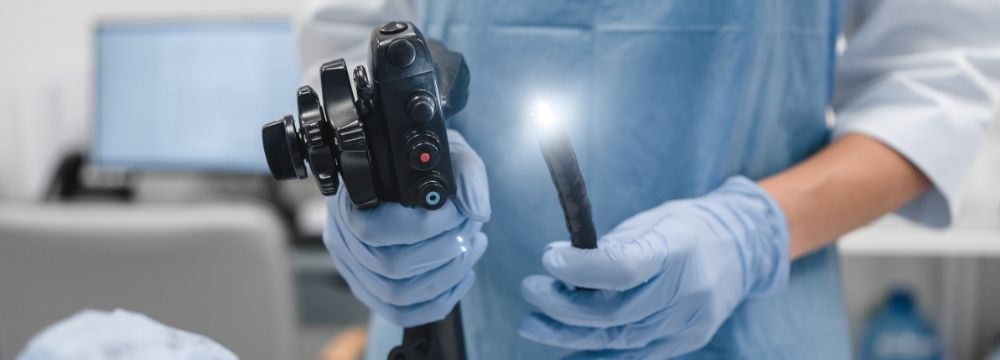
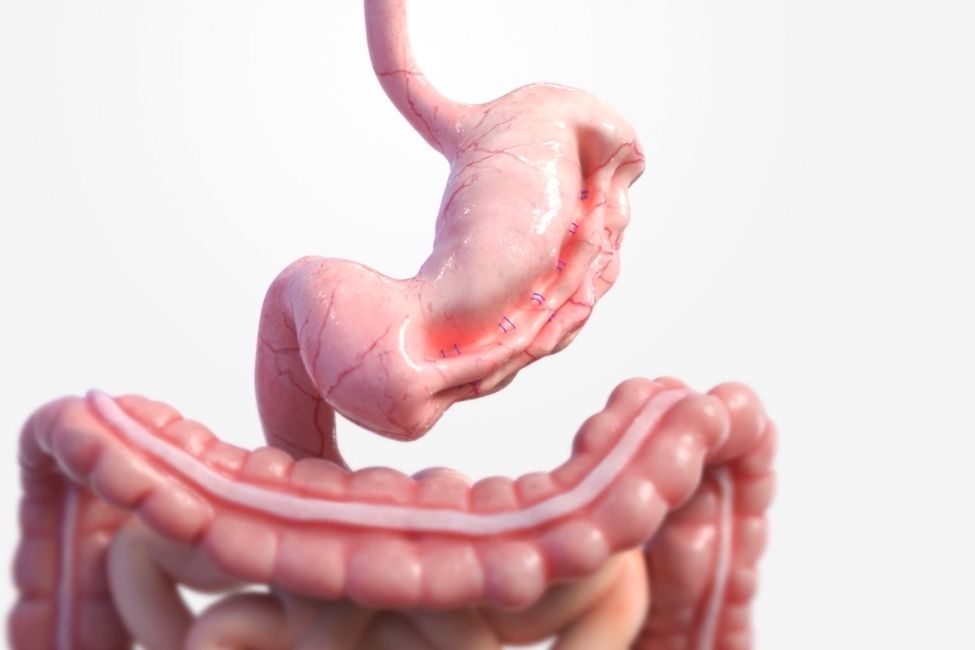
Endoscopic sleeve gastroplasty, also known as the endoscopic sleeve or ESG, is a procedure that uses endoscopy rather than surgery to create a smaller sleeve-shaped stomach pouch and reduce the amount of food that a patient can eat in any given sitting. ESG is often performed by a bariatric surgeon or gastroenterologist and involves no cutting. Instead, specialized tools are passed through the mouth and the esophagus down to the stomach, where sutures are deployed to make the stomach pouch smaller. ESG is ideal for patients who have obesity with a BMI between 30 and approximately 50. However, a consultation with an endoscopy and ESG expert like Dr. Husain Abbas will determine the best procedure.
Endoscopic Sleeve Gastroplasty (ESG)
How ESG Works
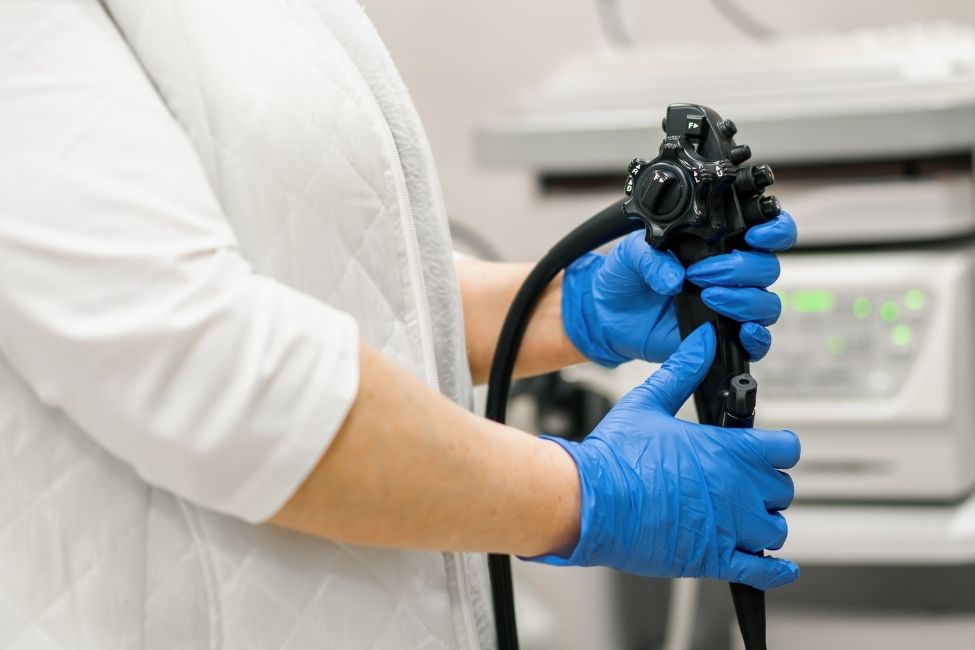
ESG uses the same restrictive principles as a surgical gastric sleeve, though it is very different in how it achieves the restriction. We use the Apollo ESG system and perform it as an outpatient procedure at our Jacksonville-area hospital.
Under general anesthesia, your doctor will pass the suturing device through the esophagus and into the stomach. Sutures are deployed to create a sleeve-shaped pouch that accepts less food than the original stomach. The final pouch is about 20 to 30% of the size of the original stomach. The sutures are permanent (not absorbable), so ESG is considered a permanent intervention, though it can be reversed if needed.
With their smaller stomachs, patients eat less food and ultimately consume fewer calories.
Further, food stays in the stomach longer, offering improved satiety. Clinical trials have shown that patients lose an average of about 14% of their body weight 12 months after their procedure. Of course, these results can be improved depending on the patient’s willingness and ability to follow post-op instructions and change their lifestyle, including improved diet and exercise.
Recovery from ESG is very rapid. Patients will return home on the same day with few restrictions since they will have no scars or incisions. They usually return to work two or three days after their procedure. Patients should take it easy in the early days after their procedure and will be counseled by their surgeon or the MASJAX staff on when to return to regular and/or strenuous activity like lifting or going to the gym.
Risks and Considerations
Because the ESG is non-surgical, there are very few risks and considerations related to the procedure. However, in rare cases, the sutures can break, in which case the restriction created by the endoscopic sleeve will be lost. Most patients will then be able to eat more food and consequently may gain weight. However, due to scarring and tissue bridging, the procedure should still offer some restriction. In these cases, patients can come back for a revision of the ESG, which is a similarly quick procedure. They can also decide to convert to a surgical sleeve.
However, patients most commonly experience some GI symptoms, including nausea, vomiting, constipation, diarrhea, abdominal pain, or the need to belch more frequently. Most of these concerns are temporary and typically resolve spontaneously between 30 and 60 days after the procedure.
There are contraindications to an ESG, including patients who cannot have an upper endoscopy, patients who are or soon plan to be pregnant, and certain patients on blood thinning medications. Of course, these contraindications and any procedural risks will be discussed during consultation and factor into the patient’s suitability for ESG versus weight loss medications or bariatric surgery.
Patients with extreme BMIs, those over 50, may not be candidates for endoscopic sleeve gastroplasty because they will not lose enough weight with this procedure alone. After consultation with one of our bariatric specialists, patients with higher BMIs may be recommended for bariatric surgery like a gastric sleeve, gastric bypass, or duodenal switch, which can be excellent options for high BMI patients.
On the other hand, ESG fills the sweet spot between approximately 30 and 50 BMI, and many patients will find that they lose enough weight to reduce or eliminate many of the comorbidities associated with excess weight and obesity. Having an ESG does not preclude the use of weight loss medications or bariatric surgery in the future. Staying in touch with our practice through regular support groups and appropriate follow-up appointments is essential to ensure long-term weight maintenance.
Is the Endoscopic Sleeve Reversible?
The endoscopic sleeve is reversible in cases of need, and how we reverse the procedure is primarily based on how much time has passed since the initial surgery. If the procedure needs to be reversed early on, there is often not much scarring or tissue bridging, which may involve cutting and removing the sutures from the body. However, the reversal may be more extensive if some time has passed. If this is the case, sutures will be cut and removed, and the tissue bridging will be divided to return the stomach to its original size.
Comparing Endoscopic and Surgical Sleeve
While the names sound similar, an endoscopic gastroplasty and a sleeve gastrectomy / gastric sleeve cannot be compared apples-to-apples. A surgical procedure will always offer more significant weight loss potential simply because a portion of the stomach is removed and considerable hormonal changes occur after surgery, including a decrease in ghrelin (the hunger hormone) production. This hormonal component of the surgical solution does not exist in endoscopic procedures.
On the other hand, the endoscopic sleeve may be appropriate for patients who cannot have surgery due to health considerations or preferences.
Ultimately, visiting a practice specializing in multimodal approaches to weight loss is critically important because your weight loss specialist can offer several options, especially if you have a BMI range of 30 to 45, where most weight loss options are effective. Of course, endoscopic procedures have contraindications and ideal patient demographics, and we will discuss these characteristics with you during your consult. In the meantime, we encourage you to call our office to schedule an appointment to learn more about the endoscopic sleeve procedure and whether it is right for you.