Transoral Outlet Reduction (TORe) is an endoscopic, meaning minimally invasive, and non-surgical procedure that may be necessary after a gastric bypass if the stomach outlet has enlarged or if the patient cannot lose as much weight as expected after the primary bariatric procedure. Technically, TORe can be considered a revisional procedure for a gastric bypass that has failed to offer sufficient weight loss or for patients who have experienced weight regain after their bypass.
Transoral Outlet Reduction (TORe)
Reasons for Weight Regain After Gastric Bypass
The gastric bypass is a gold standard and can be considered the grandfather of modern bariatric procedures. Its exceptional weight loss potential and long-term durability stem from a combination of restriction and malabsorption, including making a smaller stomach pouch and rerouting the small intestine to reduce the number of calories absorbed through the sensitive intestinal lining. The gastric bypass has been standardized and improved over the several decades of its existence and many patients can lose upwards of 80% of their excess body weight.
However, as with any bariatric procedure, the gastric bypass does have certain risks and considerations.
Without getting into the details of surgical risk, one of the biggest concerns is the long-term widening of the outlet that separates the stomach and the rerouted small intestine. When it comes to a gastric bypass, this opening, known as the stoma, is “artificially” fashioned by the surgeon because the natural valve separating the two organs is cut away during the procedure. As such, there is a risk of the stomal widening over time. This is especially true if the patient does not follow their postoperative nutritional guidelines and overeats regularly.
How the TORe Works
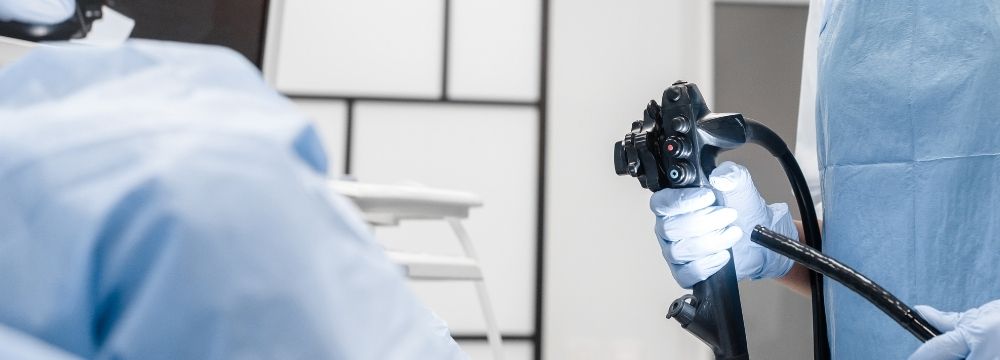
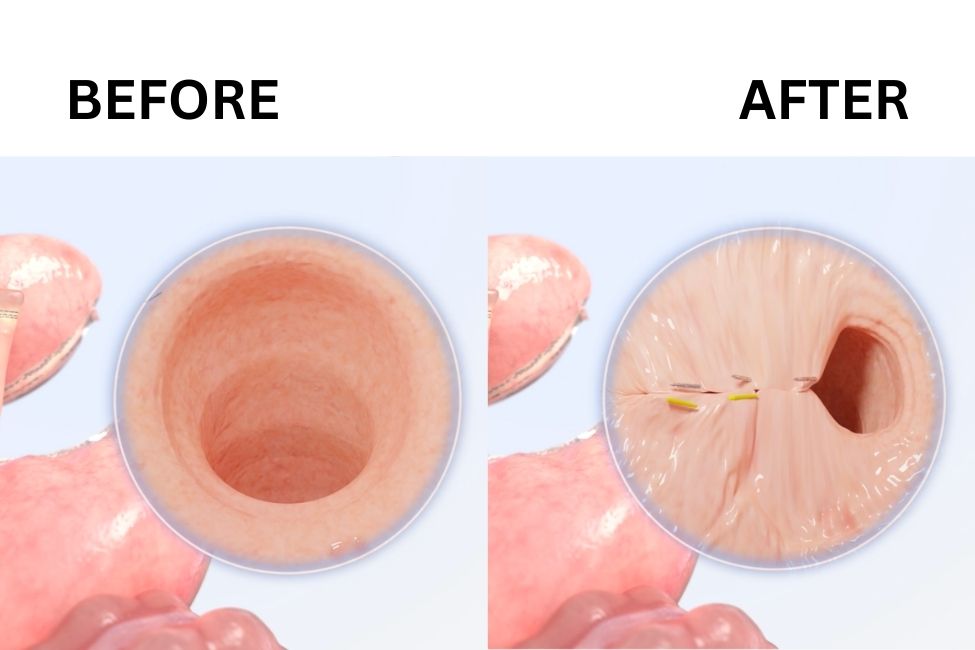
While TORe is non-surgical, it is still a significant procedure that requires general anesthesia and is performed in a hospital setting. During the procedure, a specialized device known as an endoscope is inserted into the mouth and threaded down the esophagus and into the stomach. The endoscope has a high-definition camera that allows your surgeon to see the stomach and the stomal opening. Permanent sutures are then deployed to reduce the outlet size between the stomach and the small intestine to about 10mm. The procedure is typically performed in less than an hour, then patients are moved to the recovery room to wake up from the anesthesia and get ready to go home, which occurs on the same day.

When Do You Know a TORe is Necessary?
Ultimately, a discussion with your bariatric surgeon is the best way to understand whether an endoscopic outlet reduction procedure is necessary. Not all cases of weight loss plateauing necessitate a revision/conversion bariatric procedure. For some patients, plateauing is very normal and requires a change in diet and exercise habits to restart the weight loss. For others, especially those who are more than two years out from their surgery, a prolonged weight loss plateau or weight regain may signal something more problematic, including a stretched gastric outlet. It’s important to remember that a second procedure is the last resort. We will discuss possible lifestyle changes and the potential for weight loss medication to help you restart your weight loss. If none of these are acceptable or successful, we can determine whether an endoscopic TORe is the best option.
What are the Results of the TORe Procedure?
Most patients will begin to lose weight again after their TORe procedure. By the six-month mark, patients may lose upwards of 10% of their body weight and usually settle at around 8% total body weight loss for the longer term. Certain factors affect how much body weight you can lose after your TORe procedure. First, is how much weight you have regained after your gastric bypass, and second, adherence to lifestyle changes, including improved diet and exercise, will make a significant difference in the long-term results.
Is TORe Different from the ROSE Procedure?
In short, yes, TORe addresses problems with the gastric outlet – the valve that your surgeon created during the gastric bypass that separates the stomach from the small intestine. On the other hand, the ROSE procedure, which is short for Restorative Obesity Surgery, Endoluminal, is a plication procedure that shrinks the size of the gastric pouch if it has expanded over time after gastric bypass. While both procedures address weight regain after gastric bypass, they target different root causes. Your bariatric surgeon and weight loss specialist can determine the cause of the weight regain, or lack of weight loss, and suggest the best revisional procedure for you.
Next steps
Most importantly, if you find that you are regaining weight after your gastric bypass or if your weight loss has stalled despite your best efforts in both diet and exercise, avoid jumping to the conclusion that your gastric bypass has failed. Speak to your bariatric surgeon and learn more about the potential causes of this setback. Small changes in lifestyle habits may have a significant impact and could kick-start a new phase in your weight loss. However, if, after speaking to your surgeon, you both agree that the weight loss is due to an anatomical change, a procedural next step may be necessary.
We encourage you to call our office to understand the best option for your circumstances. If you are experiencing a lack of weight loss or weight regain after your gastric bypass, please speak to one of our qualified bariatric surgeons to learn more and schedule a consultation to evaluate the feasibility of a revision endoscopic procedure like TORe.