Share

Colonoscopy and flexible sigmoidoscopy both use a small camera to examine the inside of the large intestine, but they don’t look at the same portion of the colon. A colorectal surgeon might recommend one examination over the other based on symptoms, screening needs, medical history, and previous test results.
Both colonoscopy and flexible sigmoidoscopy are direct visualization procedures of the lower portion of the large intestine using a flexible scope with a camera. Both allow a surgeon to look at the lining of the bowel for abnormalities such as polyps and other abnormalities, and both can be used for colorectal cancer screening or evaluation.
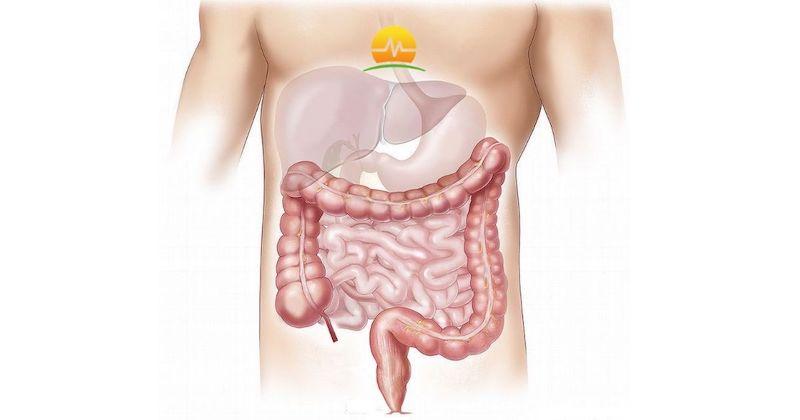
The main distinction is that a colonoscope travels through the entire colon, while a flexible sigmoidoscope examines the rectum and lower portion of the colon, including the sigmoid colon and generally the descending colon.
Colonoscopy
A colonoscopy uses a long, flexible tube with a small camera attached to examine the entire colon for polyps, tumors, inflammation, bleeding, and other abnormalities. If a polyp or other suspicious area is found, it’s usually removed or biopsied during the same procedure. Removing precancerous polyps can prevent them from developing into colorectal cancer and spreading into other parts of the body.
Colonoscopy is the gold standard in screening for colorectal cancer, although there are alternative testing strategies, like FIT (fecal immunochemical test), stool DNA-FIT, CT colonography, and blood-based screenings. Colonoscopy can both find and remove precancerous polyps during the same examination, while stool tests and CT colonography can only identify people who need further evaluation. A positive result sends the patient to colonoscopy anyway.
Colonoscopy is the gold standard in screening for colorectal cancer.
For adults at average risk, the general recommendation for colorectal cancer screening is to begin at age 45, and then again every 10 years until 75. Screening recommendations are different for people with a family history of colorectal cancer, previous polyps, inflammatory bowel disease, or certain hereditary conditions. It may be suggested that this high-risk population get screened at 1-, 3-, or 5-year intervals. Your risk profile and subsequent screening intervals are based on your age, medical history, family history, and whether polyps have been removed in the past.
Colonoscopy is also used to investigate symptoms such as rectal bleeding, persistent constipation or diarrhea, unexplained abdominal pain, nausea, or bloating. Colon cancer can develop with no obvious symptoms, and that makes screening much more important.
The colon has to be thoroughly emptied so the surgeon can see the bowel lining clearly. Patients follow specific bowel-preparation instructions before the procedure, including a diet of clear fluids, low-fat broth, and gelatin that is not red, purple, or blue for one to two days prior to the procedure. Sedation is used, and patients are not allowed to drive themselves home afterward, so a ride will need to be arranged.
Colonoscopy is considered a safe procedure, although complications can occur. All general risks with the procedure itself and personal risk based on your health history are discussed with your physician during your evaluation and as you set up your colonoscopy.
Flexible Sigmoidoscopy
Flexible sigmoidoscopy uses a similar camera, but the scope travels through a shorter portion of the large intestine to examine the rectum, sigmoid colon, and part of the descending colon. Areas farther up in the colon cannot be examined with this procedure.
A flexible sigmoidoscopy is used to investigate symptoms or abnormalities affecting the lower portion of the colon and rectum, and, depending on the reason for the examination and subsequent findings, the physician may be able to biopsy or remove certain abnormal tissue at the same time. It’s not used as often for colorectal cancer screening; most screenings will be with a colonoscopy instead due to the limited areas a flexible sigmoidoscopy travels to.
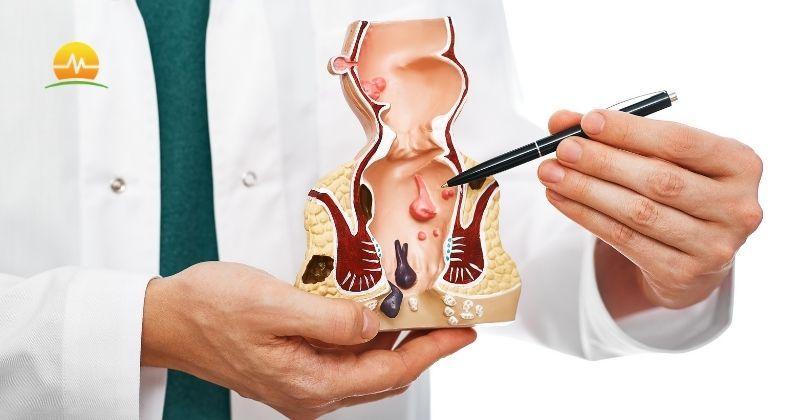
Common conditions a flexible sigmoidoscopy would be used for include inflammatory bowel disease (like Crohn’s or ulcerative colitis), diverticulosis, hemorrhoids, fissures, abscesses, or infections.
Prep for this procedure is a little different from a colonoscopy, depending on why it’s being performed and the physician’s protocol. Sedation may or may not be required. Specific preoperative and postoperative instructions will come from the medical team directly.
Colorectal Care at MASJax
At MASJax, patients have access to surgeons specializing in colorectal, general, and bariatric surgery, with advanced laparoscopic and robotic surgical techniques available. The practice’s colorectal team includes Dr. Alex Crean, FACS, who specializes in treating all stages of colon and rectal cancer through a minimally invasive surgical approach and provides screening colonoscopy, and Dr. Andrew Schlussel, FACS, FASCRS, a board-certified general surgeon and fellowship-trained colon and rectal surgeon whose practice includes colon cancer prevention and provides a full spectrum of colorectal surgical care.